What x402 enables for data sellers
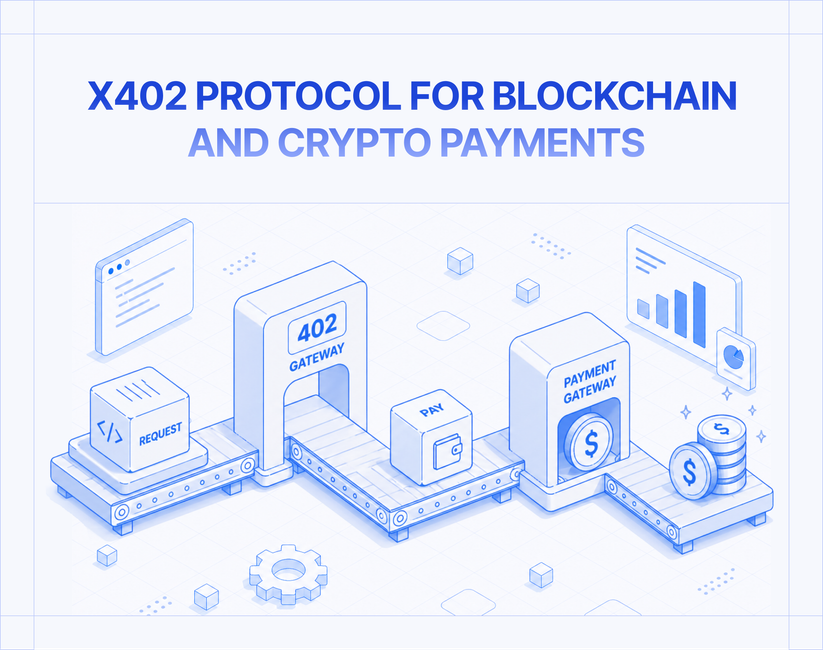
x402 is an HTTP-native payment protocol that allows AI agents to pay for API access using stablecoins without requiring user accounts or human approval. By leveraging the standard HTTP 402 Payment Required response code, it turns existing web infrastructure into a payment rail. This means your chain analytics endpoint can accept payments in crypto as naturally as it accepts data requests in JSON.
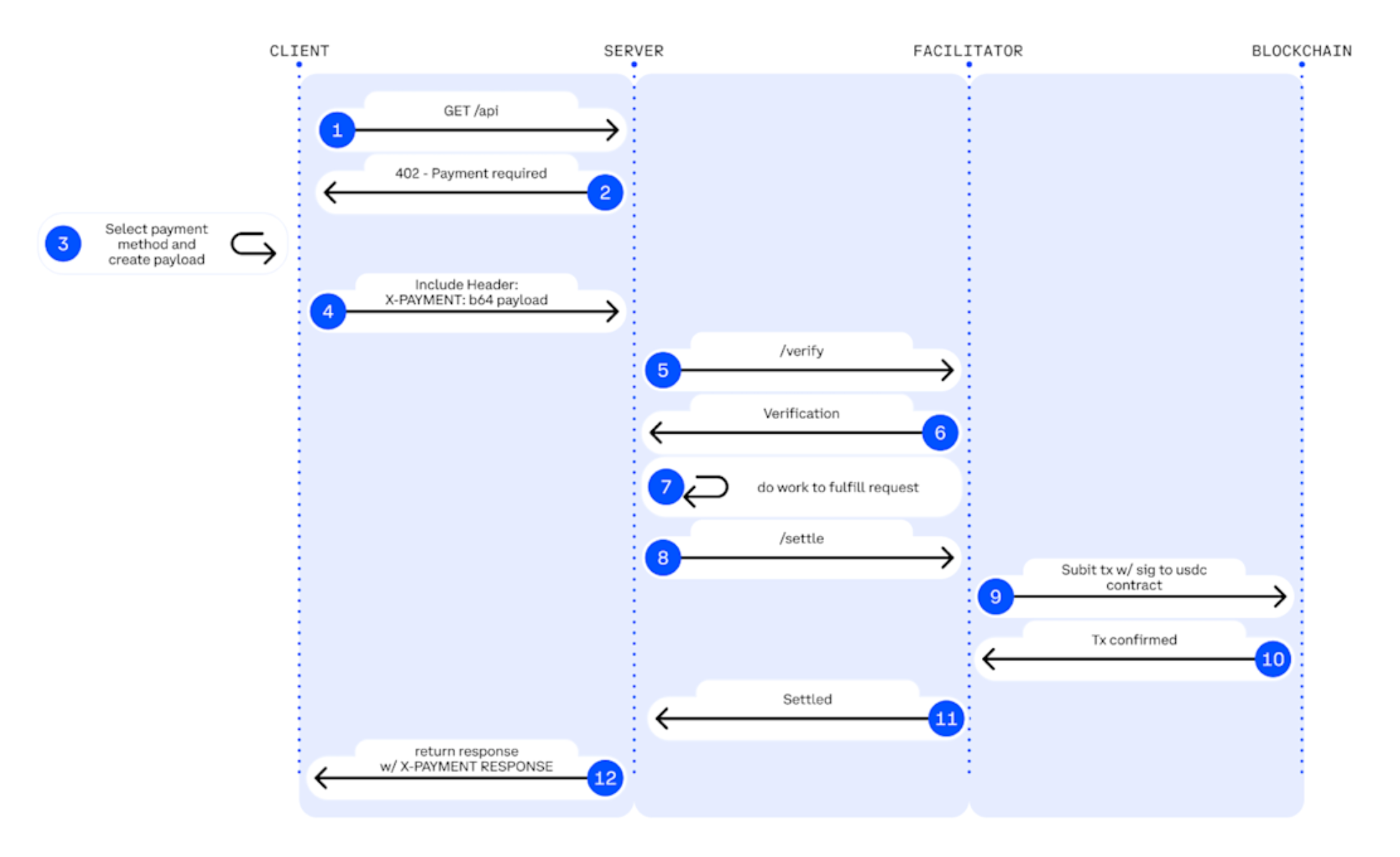
For chain analytics providers, this shifts the friction point. Previously, automated data ingestion required complex integration with payment gateways, KYC checks, or manual invoice reconciliation. x402 removes these barriers. An AI agent can query a block height, receive a 402 response with a payment instruction, settle the transaction, and retrieve the data—all in a single, automated loop.
This standardization is critical for high-frequency data sellers. Agents operate at machine speed; they cannot pause to log into a dashboard or verify a credit card. x402 enables a "pay-per-request" model that aligns perfectly with the consumption patterns of AI agents, turning your API into a self-serve, borderless data marketplace.
Setting up the payment infrastructure
To accept payments from AI agents, you need a payment infrastructure that bridges standard HTTP requests with blockchain transactions. The x402 specification allows your API to reject requests without valid crypto signatures, but you do not need to build a custom blockchain node to handle this.
The fastest path is using a facilitator like Thirdweb or the Coinbase Developer Platform (CDP). These services handle the complex logic of verifying on-chain signatures and routing payouts, allowing you to focus on the analytics data itself. You will primarily work with USDC on a low-cost L2 network like Base to keep transaction fees negligible for micro-payments.
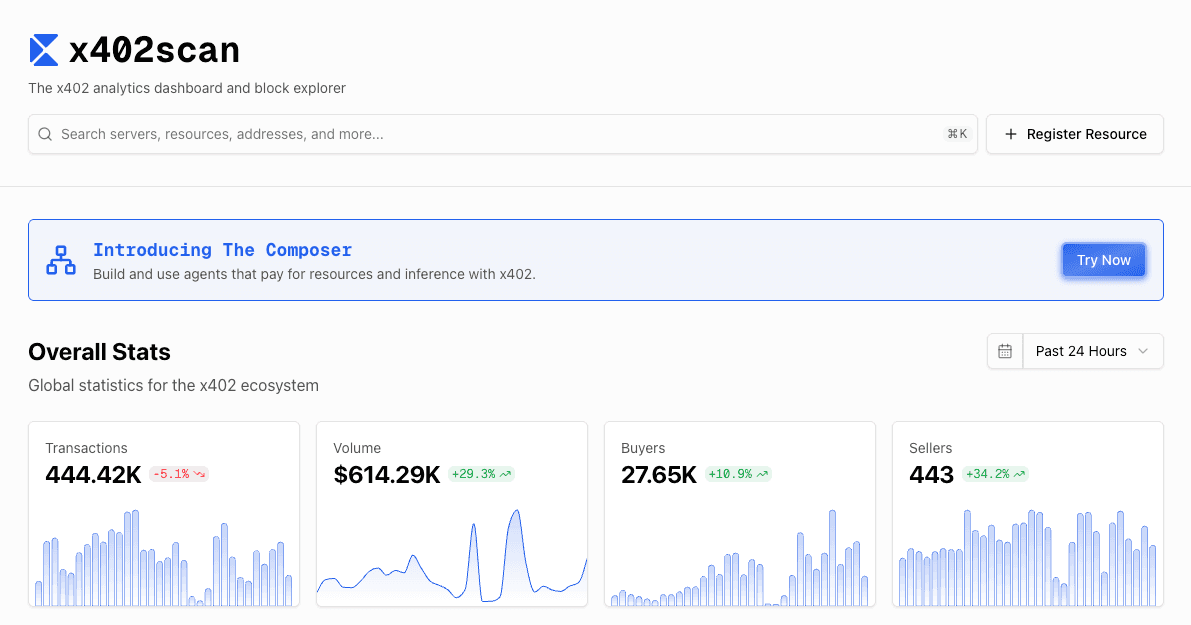
Start by generating a dedicated seller wallet. This wallet will receive the USDC payouts from AI agents. You can use a wallet provider like Thirdweb to create this wallet securely. Ensure you have access to the private key or signing mechanism, as your backend will need it to verify incoming payments and manage funds.
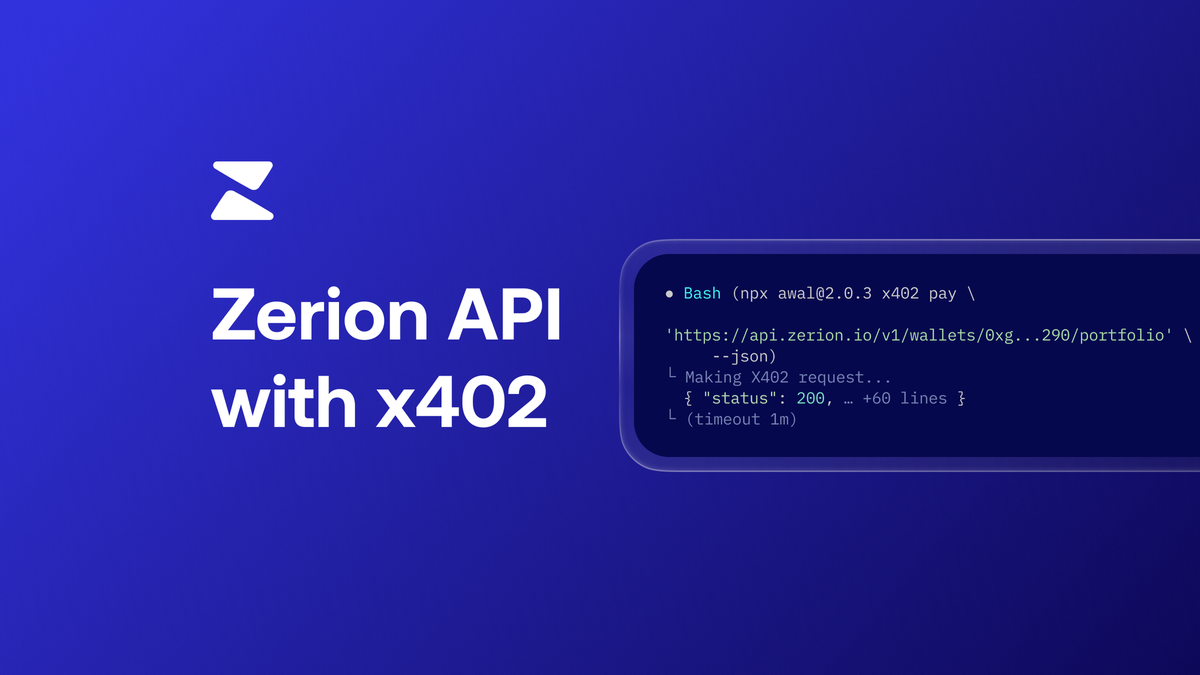
Integrate a facilitator SDK into your API backend. Thirdweb’s x402 facilitator is a popular choice because it abstracts the signature verification process. You will configure the facilitator to listen for payment signatures on your specific endpoint. This component acts as the bridge between your Express server and the blockchain, ensuring that only paid requests are processed.
Set your facilitator to accept USDC on a low-fee network like Base or Arbitrum. High gas fees on Ethereum Mainnet make micro-payments for API data economically unviable. You will need to specify the USDC contract address and the network ID in your facilitator configuration. This ensures that the AI agent’s wallet sends the correct token to the correct address.
Wrap your analytics API logic with the facilitator’s middleware. For example, using Circle’s quickstart, you might create an Express endpoint at POST /research/company-brief. The middleware intercepts the request, checks for a valid x402 signature, and only proceeds to fetch and return the data if payment is confirmed. This creates a seamless, automated storefront for your data.
This setup ensures that your x402 endpoints are robust and ready for agent commerce. By offloading the blockchain complexity to a facilitator, you can launch a monetized API in days rather than months. The next step is to test the flow with a simulated AI agent to verify that payments are processed correctly before going live.
Integrating Chain Analytics Data
To sell data to AI agents, you must wrap existing chain analytics queries—such as those from Bitquery or Allium—into x402-gated endpoints. The goal is simple: the endpoint should only return data after payment verification. This shifts the model from manual API key management to automated, machine-to-machine commerce.
The process involves three main steps: defining your query, implementing the payment middleware, and testing the flow.
Start by isolating the specific data your AI agent needs. Whether it is transaction history, token balances, or smart contract events, define the exact GraphQL or SQL query. This becomes the payload your backend will execute once the payment condition is met. Keep the query efficient to minimize gas costs for the payer.
Create a middleware layer that intercepts incoming requests. This layer must validate the x402 payment header against the blockchain. If the payment is confirmed on-chain, the middleware passes the request to your analytics engine. If not, it returns a 402 Payment Required error. This ensures that only paying agents receive the data.
Use a testnet environment to verify the entire flow. Send a request with a valid x402 payment and confirm the data returns correctly. Then, send a request without payment to ensure the endpoint blocks access. Bitquery provides a comprehensive guide to testing these data APIs, which you should reference to ensure your implementation handles edge cases like failed transactions or network congestion.
| Feature | Traditional API | x402 Gated |
|---|---|---|
| Authentication | API Keys | On-chain Payment |
| Fraud Risk | High (Key Leakage) | Low (Verified) |
| Agent Integration | Manual Setup | Automated |
By following this structure, you create a secure, automated pipeline for selling chain analytics data. The comparison table above highlights the friction reduction for AI agents, who no longer need to manage static credentials. Instead, they pay per use, ensuring fair access for both you and the agent.
Pricing strategies for API calls
Pricing your chain analytics API requires matching the cost structure to the agent’s behavior. In an x402 environment, you are not selling subscriptions; you are selling discrete, verified data transactions. This shifts the focus from monthly recurring revenue to micro-transaction efficiency.
Per-request vs. Subscription
Agents do not think in monthly budgets. They think in call costs. A subscription model creates friction because agents cannot easily allocate a fixed monthly fee to variable data needs. Instead, price per request. This aligns your revenue with the actual value delivered. If an agent calls your endpoint once a day, it pays once. If it calls ten times, it pays ten times. This simplicity reduces integration time for developers building autonomous agents.
Dynamic Pricing by Complexity
Not all data is equal. A simple token price fetch is cheap. A complex on-chain state analysis or historical transaction graph is expensive. Implement dynamic pricing based on computational complexity. Charge less for lightweight queries and more for heavy data processing. This ensures you cover the gas and compute costs while keeping simple endpoints accessible for high-frequency trading bots.
The Role of Micro-Transactions
X402 enables native crypto payments for every API call. This allows for micro-transactions that would be impossible with traditional credit card processors. Your pricing strategy must account for network fees. If a single API call costs $0.01, but the transaction fee is $0.05, the model fails. Keep per-request prices high enough to absorb on-chain fees, or aggregate calls into batch transactions to reduce overhead.
Registering your endpoint in the Bazaar
Once your x402 endpoint is live, AI agents need a way to find it. The CDP Bazaar serves as the primary discovery layer for these services, allowing agents to browse and search for x402-enabled APIs cataloged through the CDP Facilitator 1.
To list your service, you submit metadata that defines how agents interact with your endpoint. This includes the service description, pricing structure, and authentication requirements. The Bazaar indexes this information, making your Chain Analytics API visible to any agent configured to use x402-compliant discovery.
Without this registration, your endpoint remains invisible to the agent ecosystem. Even if your API is technically perfect, no AI agent can invoke it if it isn't listed in the Bazaar. Ensure your metadata is precise and up-to-date to avoid failed interactions or rejected payments.
Common integration pitfalls to avoid
Building x402 endpoints for chain analytics APIs requires precision. AI agents operate autonomously, meaning even minor protocol deviations break the entire payment workflow. When an agent encounters an unexpected error, it doesn't wait for human intervention—it stops, logs the failure, and moves on. For data providers, this means losing the potential revenue from that query entirely.
The most frequent technical error involves nonce handling. x402 relies on unique nonces to prevent replay attacks. If your endpoint returns a stale or duplicate nonce, the agent's transaction will fail immediately. Ensure your server generates a fresh nonce for every request and validates it correctly against the blockchain state. Incorrect retry logic compounds this issue; agents may retry with the same nonce, triggering "nonce too low" errors that look like network congestion rather than a server-side bug.
Proper error responses are equally critical. Standard HTTP 500 errors provide no context for the agent. Instead, use specific x402-compatible error codes that clearly indicate whether the failure was due to insufficient funds, invalid signatures, or protocol mismatches. This clarity allows the agent to adjust its strategy or alert the user appropriately. Below is a visual breakdown of how x402 facilitates these payments.
To ensure your analytics API remains robust under these conditions, monitor gas prices and network latency closely. Sudden spikes in gas fees can cause agent transactions to revert if the agent doesn't account for dynamic fee adjustments.
No comments yet. Be the first to share your thoughts!