X402 endpoints for chain analytics APIs
The primary constraint for x402 endpoints in chain analytics is the tension between on-chain verification latency and the low-latency requirements of real-time market data. When an AI agent requests a block explorer query or a DeFi protocol state check, the endpoint must verify the payment token transfer before returning the data. This creates a dependency on the underlying blockchain's confirmation time, which can range from seconds on layer-2 networks to minutes on base layer Ethereum.
For high-frequency analytics, this verification delay is a critical bottleneck. An agent monitoring arbitrage opportunities cannot afford a 15-second wait for a payment confirmation. To mitigate this, infrastructure providers often use a "pay-then-proceed" model where the initial payment is acknowledged via a mempool transaction, with final settlement handled asynchronously. This approach reduces perceived latency but introduces the risk of chargebacks or failed transactions if the block does not confirm.
Another constraint is the cost structure of the verification itself. Every payment check requires a blockchain read or transaction lookup. For analytics APIs that serve thousands of requests per minute, these on-chain calls can become expensive if not cached or aggregated. Developers must balance the security of on-chain payment verification with the operational costs of maintaining a low-latency gateway. The most robust strategies involve using stablecoin facilitators that batch verification requests or rely on off-chain proofs for low-value, high-frequency calls.
X402 endpoints chain analytics choices that change the plan
Choosing an x402 endpoint for chain analytics requires balancing latency, data granularity, and settlement costs. The protocol allows AI agents to pay per request with stablecoins, but the underlying data provider dictates the quality of the return.
Below is a comparison of the primary tradeoffs when selecting an endpoint for high-frequency analytics or agent-driven queries.
| Provider | Data Scope | Latency | Cost Model |
|---|---|---|---|
| Bitquery | Cross-chain historical | Medium | Per-query GraphQL |
| Allium | Real-time MEV/txs | Low | Subscription + x402 |
| Circle Gateway | USDC settlement only | High | Nanopayment flow |
Technical infrastructure requirements
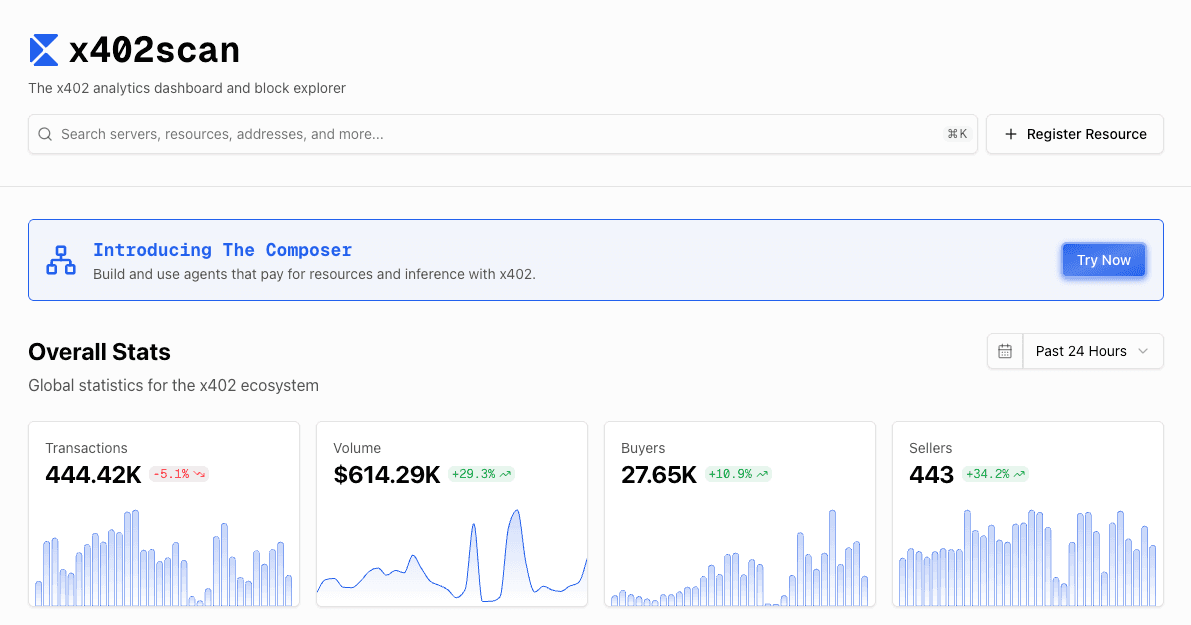
For real-time chain analytics, you need a provider-backed view of market movement. The chart below tracks the underlying asset volatility, which directly impacts the cost of x402 settlements during high-traffic periods.
Live settlement costs
x402 relies on stablecoin micro-transactions. Monitoring the current price helps you calculate the exact USDC cost per analytics call, ensuring your agent doesn't overspend on simple metadata queries.
Choose the next step
x402 Endpoints for Chain Analytics APIs works best as a clear sequence: define the constraint, compare the realistic options, test the tradeoff, and choose the path with the fewest hidden costs. That order keeps the advice usable instead of decorative. After each step, pause long enough to check whether the recommendation still fits the reader's actual situation. If it depends on perfect timing, unusual access, or a best-case budget, include a simpler fallback.

Avoiding Weak Options in x402 Endpoint Design
Most x402 implementations fail because they treat the protocol as a simple payment gateway rather than an HTTP-native state machine. The standard relies on the 402 Payment Required status code, but misconfiguring how your API handles this signal creates friction for AI agents and legitimate users alike. Here is how to avoid the three most common pitfalls.
Ignoring Idempotency and Retry Logic
AI agents often retry requests due to network latency or temporary wallet delays. If your endpoint does not handle duplicate payments gracefully, you risk double-charging users or locking them out. Ensure your backend checks for existing payment proofs before processing a new transaction. Without idempotency, your API becomes unreliable for automated agents that expect consistent responses.
Overcomplicating the Wallet Verification
A common mistake is requiring complex wallet signatures for every single API call. This adds unnecessary latency and breaks the "no account" promise of x402. Instead, use a facilitator or a simple hash-based proof that can be validated quickly on-chain or via a lightweight oracle. Keep the verification step fast; if it takes more than a second, agents will abandon your endpoint.
Neglecting Fallback Mechanisms
Always provide a clear error message when a payment is missing or invalid. A generic 500 error forces agents to guess the problem. Return a specific 402 response with instructions on how to pay. This transparency reduces support tickets and helps developers integrate your API more smoothly. Remember, the goal is seamless machine-to-machine commerce, not human intervention.
X402 endpoints for chain analytics apis strategy: what to check next
Before committing to an x402-based chain analytics infrastructure, it helps to understand how these endpoints function as payment-gated APIs rather than traditional open data streams. The following questions address the practical tradeoffs of adopting this standard for AI agents and automated analytics workflows.
No comments yet. Be the first to share your thoughts!