What x402 enables for analytics data
x402 is an open payment protocol that allows AI agents to pay for API requests using stablecoins, removing the need for accounts or subscriptions.
To understand why this matters for chain analytics, you have to look at the bottleneck in current API models. Traditional endpoints require identity: user accounts, API keys, and subscription tiers. This creates friction for autonomous systems. An AI agent scanning the blockchain for arbitrage opportunities doesn’t have a credit card, nor does it want to manage a user profile for every data provider it contacts.
x402 changes the handshake. It treats data as a commodity that can be bought on demand. When an agent requests data, the server responds with a 402 Payment Required status, detailing exactly how much is needed and where to send it. The agent pays, and the data is released. This is machine-to-machine commerce in its purest form.
For analytics providers, this removes the risk of non-payment and the overhead of managing billing systems. You no longer need to chase invoices or worry about churn. The payment is atomic and immediate. This is essential for scaling high-frequency data feeds where every millisecond of latency costs money. Human intervention in billing is not just slow; it’s a liability in an automated ecosystem.
The protocol specification, as outlined by Allium, defines the standard for this interaction. It ensures that the payment is verified on-chain before the data is served, creating a trustless environment for high-value data transactions. This is not just a payment method; it is the infrastructure for the autonomous economy.
How the Payment Flow Works
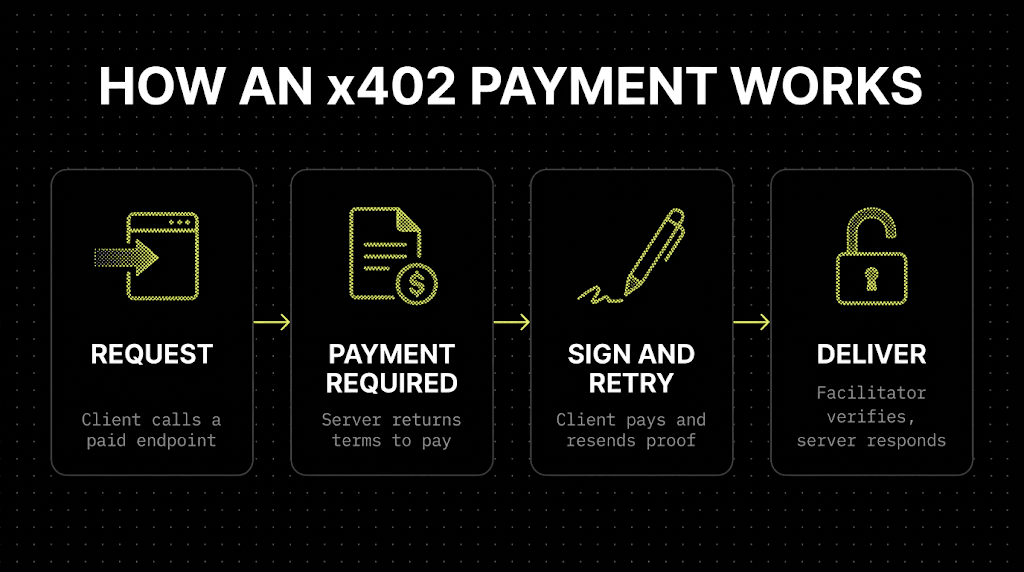
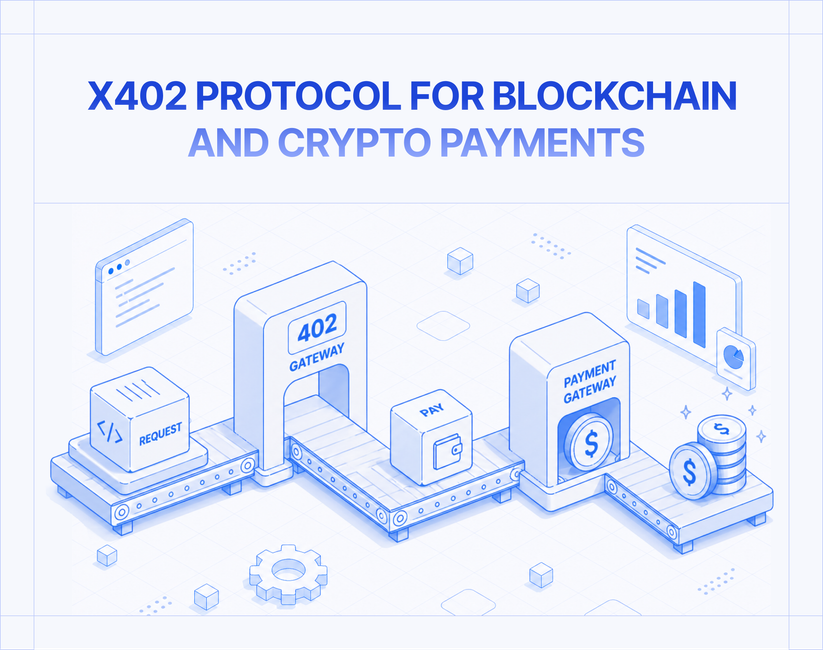
The x402 protocol turns a standard API call into a transaction. When an AI agent or client requests data, the server doesn't just return a JSON object. It returns a specific HTTP 402 Payment Required status code. This isn't a generic error. It is a structured payment request that tells the client exactly how much to pay and where to send it.
Think of this as a digital vending machine. You insert the exact change, and the mechanism releases the product. In x402, the "change" is cryptocurrency, and the "product" is the API response. This flow removes the need for pre-funded wallets or complex subscription management. Payment happens at the moment of access.
The 402 Response Format
When your endpoint is hit, it checks for a valid payment signature. If none is found, it responds with a 402 status. This response includes a Payment-Required header. This header contains a JSON payload detailing the payment instructions. It specifies the amount, the currency, and the blockchain network.
The client reads this header and constructs a transaction. For chain analytics APIs, this is often a stablecoin like USDC. The transaction must match the exact amount and destination specified. If the details are off, the request fails. This precision ensures that the seller gets paid the correct amount before any data is released.
The Role of the Facilitator
You don't need to write complex smart contract logic to handle these payments. A facilitator, such as Coinbase Developer Platform or Cloudflare, manages the transaction layer. The facilitator validates the blockchain transaction. It confirms that the funds have arrived in the correct wallet.
This abstraction is critical for developers. It allows you to focus on building the analytics endpoint rather than debugging payment states. The facilitator handles the complexity of blockchain confirmations and currency conversion. It simply tells your server: "Payment received. Send the data."
Secure Settlement on Blockchain
Once the facilitator confirms payment, the server releases the data. This settlement happens on-chain, providing an immutable record of the transaction. For chain analytics, this transparency is valuable. You can audit every request and payment without relying on third-party invoicing systems.
The use of stablecoins like USDC minimizes volatility risk. The value you receive is predictable. This stability is essential for pricing high-frequency API calls. You can set precise rates per request, knowing the settlement value won't fluctuate between the request and the payout.
USDC price stability ensures predictable revenue for API providers using x402.
Integrating x402 into your API
Turning a standard API endpoint into an x402-compliant service requires a shift in how you handle requests and state. You are no longer just validating authentication headers; you are validating payment intent. For chain analytics providers, this means building a middleware layer that can intercept requests, verify on-chain transactions, and only then serve the requested data.
The process is not about rewriting your entire backend. It is about adding a specific validation gate. Official documentation from Coinbase CDP and Bitquery outlines a seller-side implementation that relies on standard HTTP status codes and specific header interactions. The goal is to make the payment verification as invisible to the buyer as possible, while remaining rigorous enough to prevent unauthorized access.
Start by creating a middleware function that sits between the incoming HTTP request and your core logic. This interceptor must parse the Authorization header or the x-payment header, depending on your chosen implementation pattern. The middleware extracts the transaction hash or payment proof provided by the buyer’s agent or client. If the header is missing, the middleware should immediately return a 402 Payment Required status code, which is the hallmark of x402 compliance. This signals the client that payment is needed before any data is processed.
Once you have the payment proof, you must verify it on-chain. This is the most critical step for maintaining security. Do not rely on off-chain assumptions. Use a reliable node provider or indexer to check the transaction hash against the blockchain state. Verify that the transaction was sent to your designated wallet address, that the amount matches your API rate limits, and that the transaction has reached the required number of confirmations. If the verification fails, return the 402 status again. If it succeeds, proceed to the next step.
To avoid blocking your API with constant blockchain lookups for every single request, implement a state tracking system. When a payment is verified, record the transaction hash and the associated user or API key in a database or cache. This allows you to grant access for a specific duration or until a certain data quota is reached. For chain analytics, this might mean allowing a user to make 100 queries for the price of one USDC transaction. This caching layer reduces latency and server load, ensuring that your API remains fast and responsive even under heavy payment verification loads.
Blockchain transactions can be slow or fail. Your integration must handle these edge cases gracefully. If a user’s payment is pending, consider returning a 202 Accepted status or a specific 402 with a retry-after header, depending on your business logic. Implement robust retry mechanisms for your own verification calls to node providers. Additionally, monitor your server activity in real-time to detect any unusual patterns that might indicate fraud or exploitation. Bitquery’s documentation emphasizes the importance of monitoring these interactions to maintain the integrity of your analytics service.
By following these steps, you transform your API from a static data provider into a dynamic, monetizable service. The integration is straightforward if you treat payment verification as a standard middleware concern. However, the stakes are high: a flaw in your verification logic can lead to significant revenue loss or data exposure. Always test your implementation thoroughly in a sandbox environment before deploying to production.
Monetization models for analytics endpoints
Chain analytics providers are shifting from static monthly subscriptions to usage-based pricing. The x402 protocol enables this by allowing AI agents to make per-request stablecoin payments directly to endpoints. This removes the need for human intervention and scales programmatic workflows without the friction of account management or API key rotation.
Traditional API subscriptions require upfront commitment and often leave providers with unused capacity or churned users who cancel mid-cycle. In contrast, x402 aligns cost strictly with value. Agents pay only when they consume data, making it ideal for high-frequency, low-latency analytics queries.
The table below compares the operational and financial implications of each model for chain analytics providers.
| Feature | Traditional Subscription | x402 Per-Request |
|---|---|---|
| Billing Cycle | Monthly/Annual | Per-request |
| Payment Method | Credit card, Invoice | Stablecoin (USDC, etc.) |
| User Onboarding | Account creation, KYC | Wallet connection only |
| Revenue Predictability | High (recurring) | Variable (usage-based) |
| AI Agent Compatibility | Low (requires human setup) | High (autonomous) |
While subscriptions offer predictable revenue, they create a barrier for AI agents that operate 24/7 without human oversight. x402 eliminates this friction, though it introduces volatility risk if stablecoin pegs fluctuate. Providers must price endpoints to absorb minor market variances while maintaining margin.
Common x402 Integration Mistakes
Building a payment-gated API is straightforward until you hit edge cases. Most developers treat the x402 protocol like a standard REST endpoint, assuming the payment flow will always behave predictably. It doesn’t. A single misconfiguration in the facilitator or a sloppy error response can leave your API wide open or your users stranded.
Incorrect 402 Response Formatting
The x402 specification relies on precise HTTP status codes. If your endpoint returns a generic 500 Internal Server Error instead of a structured 402 Payment Required, the x402 facilitator cannot parse the payment request. This breaks the entire handshake. Your API must return a valid 402 with the required x-payment-required header or JSON body, depending on the implementation. Without this, the client has no way to know it needs to pay.
Facilitator Misconfiguration
The facilitator acts as the bridge between the API and the blockchain. If you point your facilitator to the wrong network or misconfigure the wallet addresses, payments will fail silently. This is especially common when testing on testnets and forgetting to update the configuration for mainnet. Always verify the facilitator’s network ID matches the token’s chain. A mismatch means the payment is sent to the void, and your API never receives the funds.
Handling Failed Transactions
Blockchain transactions are not instant. They can fail due to insufficient gas, network congestion, or smart contract errors. Your API must handle these failures gracefully. Don’t just return a generic error. Implement a retry mechanism or a clear status check that informs the user why the payment failed. If you ignore these failures, you’ll end up with a high volume of support tickets and angry developers trying to use your API.
Build agent-ready x402 endpoints
Before you open your analytics API to autonomous agents, treat the integration like a security audit. Agents do not click "I agree" or read terms of service; they parse responses and execute transactions. If your endpoint is ambiguous or slow, you risk lost revenue and broken agent workflows.
Use this checklist to ensure your x402 implementation is robust for the agent-commerce era.
Agents rely on standard HTTP status codes. Ensure your API returns a clear 402 Payment Required when the wallet balance is insufficient or the transaction fails. Include a Retry-After header if the failure is temporary, allowing the agent to retry without spamming your server.
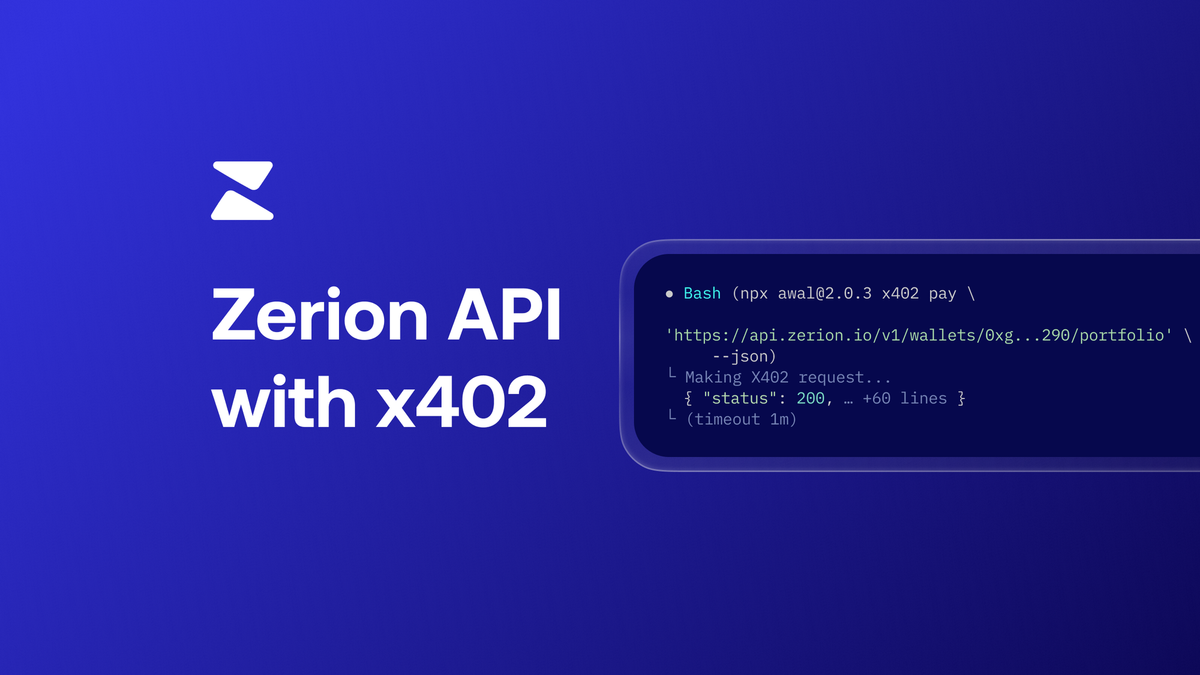
Agents need to understand your data structure before they pay. Provide a complete OpenAPI or JSON Schema definition that details every endpoint, parameter, and response field. Ambiguity here leads to failed transactions and frustrated developers.
Do not rely solely on manual cURL tests. Use frameworks like LangChain or AutoGen to simulate an agent querying your analytics API. This reveals latency issues and edge cases that human testers might miss.
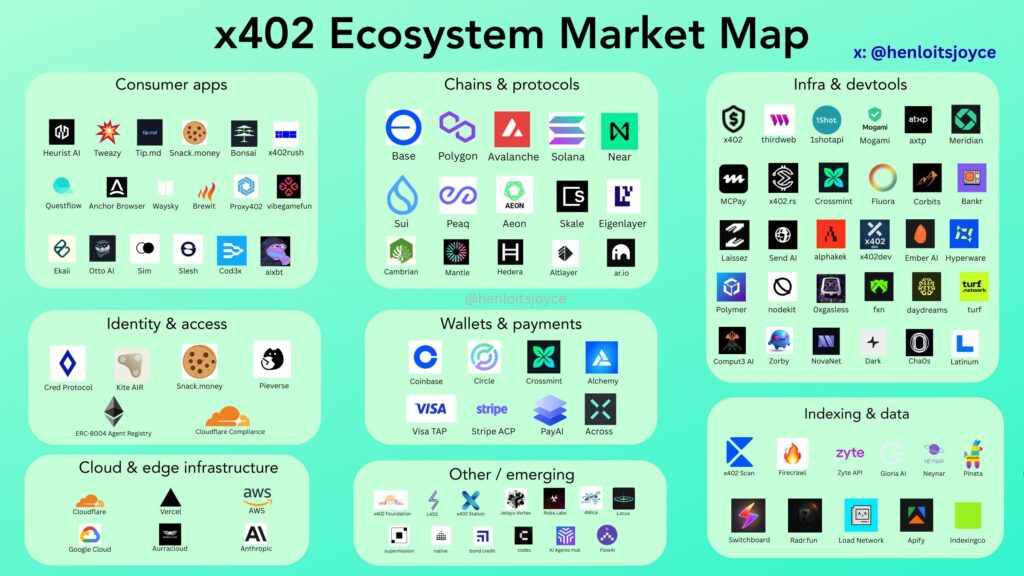
Protect your infrastructure from abuse by setting strict rate limits. Agents can trigger thousands of requests per minute. Use IP-based and wallet-based limiting to ensure fair access and prevent denial-of-service scenarios.
The x402 standard is evolving rapidly. Keep an eye on official repositories like awesome-x402 for the latest best practices and community-driven implementations. Your goal is to make it effortless for agents to pay you for high-quality chain analytics.
No comments yet. Be the first to share your thoughts!