The x402 protocol for data monetization
The x402 protocol is an open payment standard developed by Coinbase that enables AI agents and web services to pay for API access using cryptocurrency. It transforms data consumption by enabling instant, autonomous micropayments over standard HTTP requests. Instead of relying on pre-funded API keys or complex subscription management, an agent can request data and pay immediately upon receipt.
For chain analytics APIs, this shift is significant. Traditional data providers like Nansen or Bitquery typically require enterprise contracts or prepaid credits. x402 removes the friction for smaller developers and autonomous agents who need granular access to on-chain data without long-term commitments. The protocol handles the transaction logic directly within the HTTP response, ensuring payment is verified before data is fully delivered.
This approach creates a more fluid market for blockchain data. Agents can now query specific endpoints—such as real-time token flows or wallet histories—and pay only for the exact data they retrieve. This pay-per-use model aligns costs directly with usage, making high-frequency analytics accessible to a broader range of builders.
Leading chain analytics endpoints
The x402 protocol is rapidly shifting how developers access blockchain data. Instead of relying on static API keys or monthly subscriptions, providers are adopting a pay-per-use model where payments happen directly within the HTTP request. This section compares the current top players integrating x402 into their analytics infrastructure, focusing on data breadth and integration mechanics.
Nansen: On-Chain Intelligence
Nansen is a pioneer in labeling wallet addresses to provide context on-chain. Their x402 integration allows AI agents and developers to pay for specific, high-value analytics queries without managing complex billing cycles. By monetizing access through x402, Nansen enables granular billing for wallet profiling and token flow data. This approach is particularly useful for applications that need real-time smart money tracking but cannot justify a flat enterprise fee.
Bitquery: Multi-Chain GraphQL
Bitquery offers a different angle by providing broad, multi-chain coverage through GraphQL. Their x402 API allows for programmatic access to payment data and on-chain events across dozens of networks. The integration is designed for developers who need to query complex historical data or track payment transactions across disparate chains. Bitquery’s approach emphasizes flexibility, allowing users to pay only for the specific data slices they retrieve via their GraphQL endpoints.
Coinbase CDP: Native Stability
The Coinbase Developer Platform (CDP) brings x402 into the core of its infrastructure. As the protocol’s originator, Coinbase ensures that its endpoints support instant stablecoin payments over HTTP natively. This integration is ideal for developers already embedded in the Coinbase ecosystem who need reliable, low-latency access to blockchain data. The official documentation provides clear payload details for implementing these payment flows, reducing the friction typically associated with integrating new payment protocols.
Comparison of x402 Analytics Providers
The table below breaks down the primary differences between these three providers. While all support x402, their strengths vary based on your need for labeled data, multi-chain breadth, or native infrastructure integration.
| Provider | Primary Data Type | Supported Chains | x402 Method |
|---|---|---|---|
| Nansen | Wallet Labels & AI Insights | EVM (ETH, BSC, Polygon) | API Token + x402 Header |
| Bitquery | GraphQL Historical Data | 50+ (EVM, Solana, Cosmos) | GraphQL Endpoint + x402 |
| Coinbase CDP | Core Blockchain Data | Base, ETH, Solana, Polygon | Native HTTP x402 Support |
Market Context
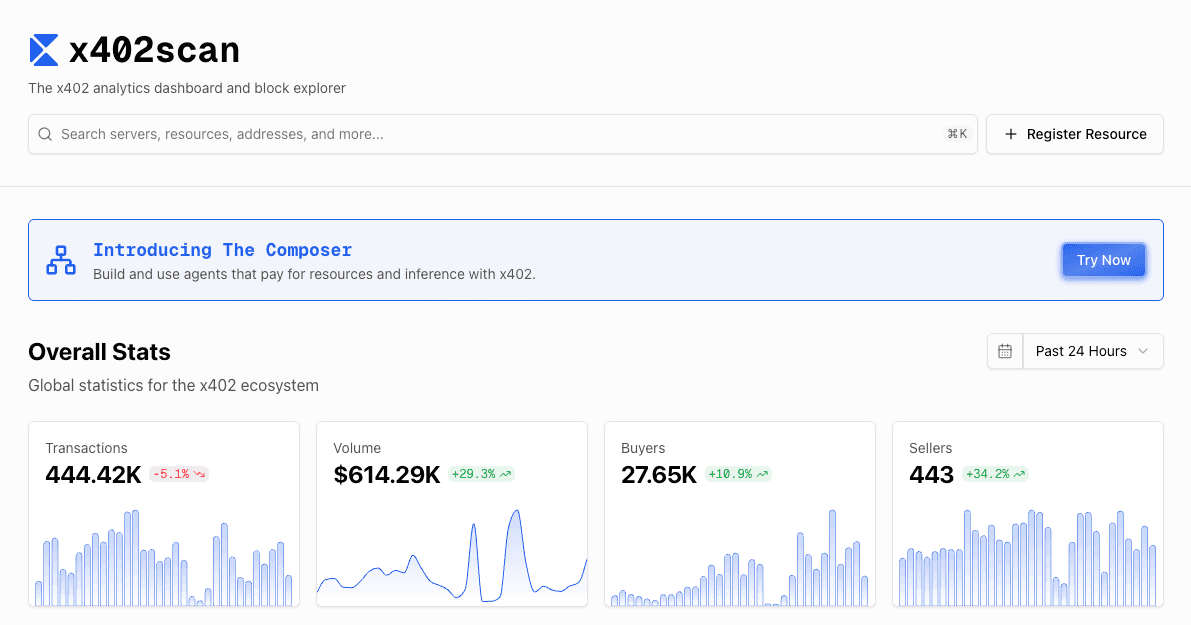
The shift toward x402 is driven by the rise of autonomous AI agents that need to transact on-chain. These agents require a way to pay for data services without human intervention or traditional banking rails. The following chart provides a view of the broader market dynamics, as the adoption of these protocols often correlates with the volume of on-chain activity and agent-driven transactions.
Building the infrastructure strategy
Integrating x402 into existing API endpoints requires a dual-track approach that respects legacy clients while enabling new agent-based commerce. The core challenge is maintaining backward compatibility: traditional HTTP clients must still receive a standard 402 Payment Required response if they cannot process crypto payments, while x402-aware AI agents can automatically handle the transaction. This ensures you don’t break existing integrations with platforms like Nansen or Bitquery as you roll out the new protocol.
Start by identifying which analytics endpoints are high-value for AI agents, such as deep historical data queries or real-time whale alerts. Tag these specific routes in your API gateway. This allows you to apply x402 logic selectively without overhauling your entire infrastructure. Focus on endpoints that are computationally expensive or data-heavy, as these are the primary targets for agent-driven monetization.
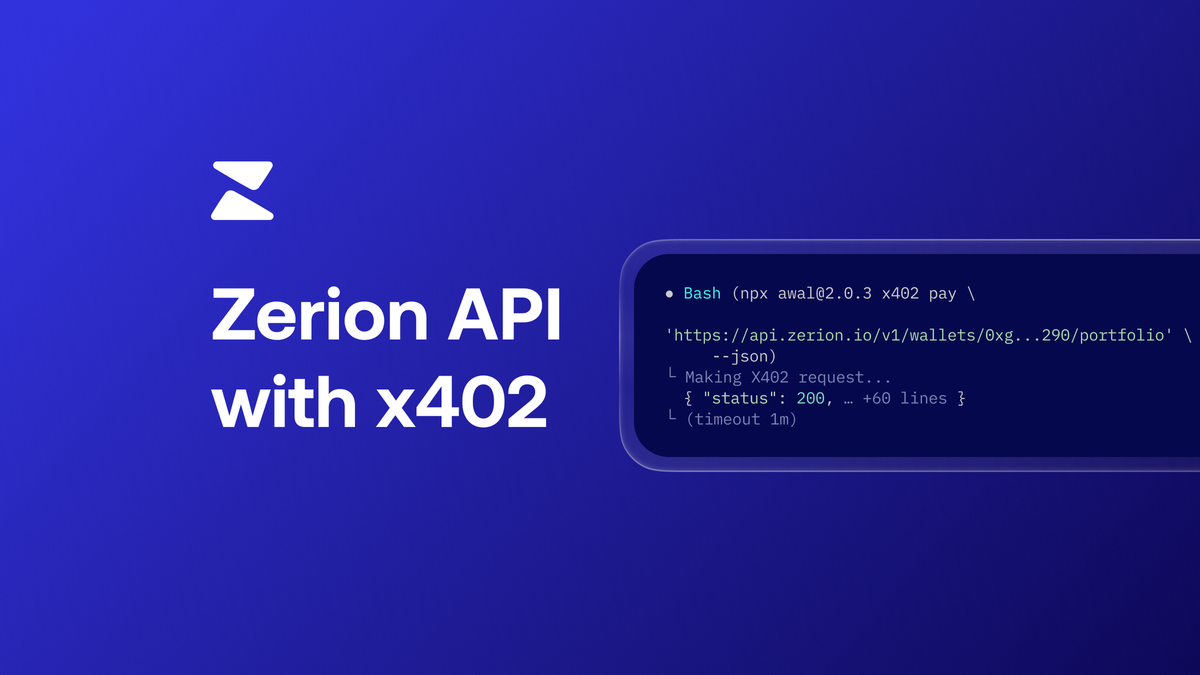
Modify your server logic to include the x-x402 header when a request is made to a tagged endpoint. This header contains the payment URI and required amount. For legacy clients that don’t recognize the header, your server should still return a standard 402 status code with a clear error message. This dual-response mechanism ensures that non-compliant clients get a predictable error, while compliant agents can parse the header and initiate payment.
Connect your API to an x402 facilitator, such as the CDP Bazaar, to handle the discovery and settlement of payments. The facilitator acts as the bridge between your endpoint and the blockchain, verifying that the payment was received before delivering the data. This removes the need for you to manage private keys or build custom smart contracts for every transaction. It also provides a discovery layer where AI agents can find your x402-enabled services.
Before a full launch, test your endpoints using known x402 clients and agents. Verify that the payment flow completes without latency and that the data delivery is immediate upon confirmation. Use tools like the Simplescraper x402 guide to simulate different client behaviors. This testing phase is critical to ensure that the payment verification doesn’t introduce unacceptable delays for time-sensitive analytics queries.
This infrastructure strategy minimizes risk by keeping legacy systems intact while opening new revenue streams. By focusing on high-value endpoints and using a facilitator for settlement, you can scale your analytics API into the agent economy without a complete rewrite.
Discovering x402 endpoints
The x402 protocol solves the payment friction, but finding the right data source remains a discovery challenge. Developers no longer need to hunt through scattered GitHub repositories or private Telegram groups. A new layer of marketplaces has emerged to catalog, verify, and route traffic to x402-enabled APIs.
These platforms act as the index for the machine-to-machine economy. They allow AI agents and frontend applications to query endpoints, check pricing, and execute payments without manual integration overhead. For chain analytics specifically, this means instant access to on-chain metrics from providers like Nansen and Bitquery, priced in real-time crypto micropayments.
RelAI: The Pay-Per-Call Marketplace
RelAI positions itself as the primary storefront for x402 APIs. Its marketplace aggregates services across multiple chains, including Ethereum, Solana, Base, and Polygon. The platform handles the complexity of USDC micropayments, allowing developers to browse endpoints by category or specific data schema.
For chain analytics, RelAI provides a unified interface to test and consume data feeds. Instead of negotiating API keys and credit limits, you can call an endpoint, receive the JSON response, and have the cost deducted automatically. This reduces the barrier to entry for startups and independent developers who cannot afford enterprise contracts.
CDP Bazaar: The Discovery Layer
Coinbase Developer Platform (CDP) Bazaar takes a different approach by focusing on the discovery layer itself. Rather than just a storefront, it provides the underlying infrastructure that lets agents browse and search for x402-enabled services. It integrates with the CDP Facilitator to catalog providers, ensuring that the endpoints listed are verified and accessible.
This discovery mechanism is critical for AI agents that need to autonomously find data sources. An agent can query the Bazaar for "historical token balances" or "real-time gas prices," receive a list of compatible x402 endpoints, and select the one that best fits its budget and latency requirements.
Why This Matters for Chain Analytics
The combination of RelAI and CDP Bazaar creates a liquid market for on-chain data. Providers like Nansen and Bitquery can expose their most granular datasets as pay-per-call endpoints. This shifts the model from "all-you-can-eat" subscriptions to precise, usage-based billing.
For developers, this means you only pay for the specific data points your application actually uses. If your app only needs to check the balance of one wallet, you pay for one call. If it needs to analyze the top 100 holders, you pay for those calls. This efficiency aligns costs directly with value, making advanced chain analytics accessible to a wider range of applications.
No comments yet. Be the first to share your thoughts!